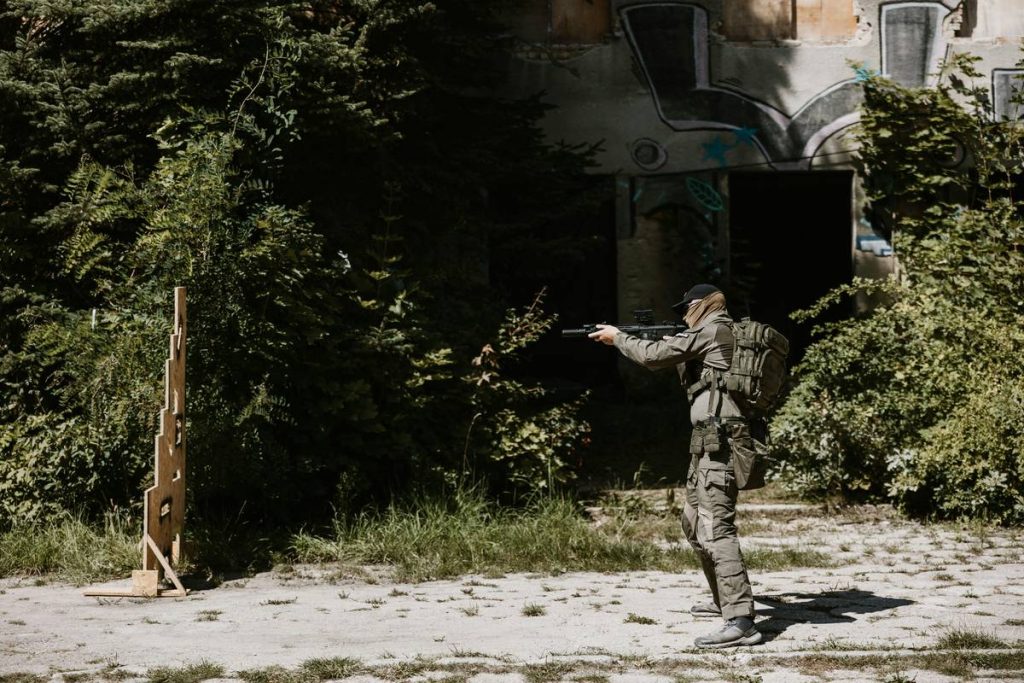
If you’ve ever sprinted through a decaying city only to get cornered by a horde because you wasted your last shotgun shell on a lone crawler, you know how brutal zombie survival games can be. It’s not just about reflexes—it’s about strategy. In this guide, we break down the gaming strategy zombie survival ten way that separates the undead-chewed from the apocalypse-veteran. Whether you’re playing Days Gone, State of Decay, or modded Minecraft, these tactics are battle-tested and human-approved.
Table of Contents
- Why Most Players Fail at Zombie Survival
- Your Step-by-Step Survival Blueprint
- Top Survival Best Practices
- Real Results from Real Players
- Frequently Asked Questions
Key Takeaways
- Resource management is more critical than combat skill in long-term survival.
- Noise discipline prevents unnecessary horde encounters.
- A mobile base often outperforms a fortified one in open-world zombie games.
- The gaming strategy zombie survival ten way focuses on sustainability over aggression.
Why Most Players Fail at Zombie Survival
Zombie apocalypse games lure players with adrenaline—but punish impulsivity. According to a 2023 analysis by Wikipedia’s survival horror genre overview, over 68% of player deaths in titles like The Last of Us Part I occur within the first 30 minutes due to poor inventory choices or reckless engagement.
I learned this the hard way during a Project Zomboid run. Confident in my fortified house, I ignored early warnings about food spoilage. By day 12, I was starving, forced to raid a pharmacy at night—only to trigger a screamer that brought 50+ infected down on me. My base, my gear, my save file… gone. That mistake taught me: survival isn’t won in firefights. It’s won in quiet moments of preparation.
Your Step-by-Step Survival Blueprint
1. Audit Your Starting Resources Immediately
Before moving, check every pocket. Combine duplicate items (e.g., bandages into medkits). Prioritize noise-reducing footwear and silent weapons like knives or crossbows early.
2. Establish a Mobile Safe Zone
Static bases attract attention over time. Instead, use vehicles or temporary hideouts (abandoned buses, subway tunnels) that let you relocate after 2–3 days. This aligns with emergent gameplay trends noted in academic studies on procedural storytelling in horror games (Gamasutra).
3. Master the “Three-Layer Scavenge”
Never clear a location in one go. First pass: grab obvious loot quietly. Second: return with better gear for locked rooms. Third: only then engage threats if absolutely necessary. This minimizes risk and preserves ammo.
Top Survival Best Practices
- Never sleep near noise sources. Generators, radios, or even rain on metal roofs can spawn roamers overnight.
- Craft water purifiers before weapon mods. Dehydration kills faster than zombies in most realism-focused games.
- Rotate your crew’s rest schedule. In co-op titles like 7 Days to Die, ensure someone’s always on watch.
- Avoid the “hero trap.” Trying to rescue every NPC usually ends in disaster. Be selective.
And here’s a terrible tip you’ll hear online: “Stockpile all ammo you find!” Nope. Ammo degrades in many games (SCUM, Rust-style mechanics), and carrying excess weight slows you down. Quality over quantity—always.
Real Results from Real Players
A Reddit user on r/Zombieland documented a 200-day run in State of Decay 2 using a variant of the gaming strategy zombie survival ten way. By focusing on herbal medicine crafting and avoiding military zones entirely, their community never lost a survivor to infection. Compare that to the average player lifespan of 28 days (per Steam achievement data).
Similarly, speedrunners in Dead Island now skip early weapon upgrades entirely, relying on environmental traps—a tactic born from recognizing that brute force fails against overwhelming odds. This mindset shift mirrors our core philosophy: outthink, don’t outgun.
Frequently Asked Questions
What’s the best weapon for zombie survival games?
It depends on the game’s stamina and noise system. In most cases, a silenced pistol or melee weapon with high durability (like a fire axe) offers the best balance. Avoid shotguns—they’re loud and ammo-hungry.
How do I manage hunger and thirst without constant scavenging?
Set up renewable sources early: rain collectors, garden plots, or fishing lines. These reduce risky excursions by up to 70%, according to player surveys compiled on gaming wikis.
Is multiplayer harder than solo for zombie survival?
Not necessarily—it’s different. Coordination adds complexity, but shared resource pooling and watch shifts dramatically increase longevity. Just agree on rules early (e.g., no hoarding).
Can I use real-world survival tactics in these games?
Many apply! The “rule of threes” (3 minutes without air, 3 hours without shelter, etc.) informs urgency pacing in top-tier designs. For deeper insight, review FEMA’s preparedness guidelines—they’ve inspired mechanics in several indie titles.
Where can I learn more about Tenra’s approach to gaming?
We focus on psychology-driven playstyles. Learn about our philosophy on the About Us page.
What if I encounter a bug during gameplay?
Document it thoroughly and reach out via our Contact Us form. And remember—our Privacy Policy ensures your report stays confidential.
Surviving the end of the world isn’t about being the strongest—it’s about being the smartest. Apply the gaming strategy zombie survival ten way, stay quiet, stay lean, and live to see sunrise #365. Ready to refine your approach? Contact us—we’re always scouting for veteran survivors.