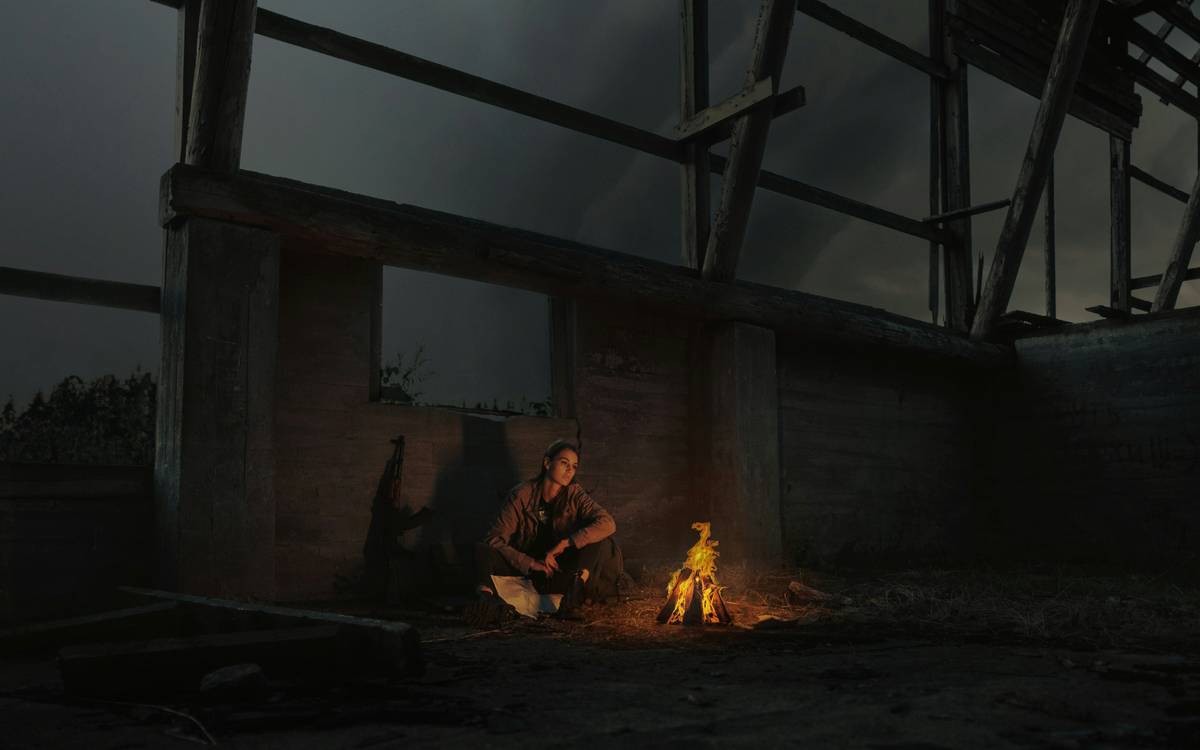
You’ve read them—dozens of zombie apocalypse novel updates that promise dread, survival, and grit. Yet they collapse under predictable tropes: the lone hero, the military conspiracy, the cure just around the corner. The real horror isn’t the undead—it’s the stagnation of imagination. At tenra.net, we track what actually terrifies readers in 2024. And it’s not rotting flesh—it’s realism.
Why Generic Zombie Tropes Lose Readers Fast
The market is saturated with surface-level fear. Zombies groan. Guns click empty. Survivors squabble over canned beans. Yawn.
Here’s the reality: modern audiences crave psychological stakes, not just headshots. A horde means nothing if the characters feel like cardboard cutouts from a 2009 forum RP thread.
And worse—many writers treat “zombie apocalypse” as a setting, not a narrative engine. Big mistake. The outbreak should warp every decision, relationship, and moral line. Not serve as backdrop for shootouts.
How to Craft Compelling Zombie Apocalypse Novel Updates That Stick
Forget “survival tips.” Focus on narrative sustainability. Ask: What new pressure does Day 87 introduce that Day 3 didn’t? How has hope curdled?
Map Emotional Decay, Not Just Supply Routes
Track character arcs using a “sanity ledger”—not bullets fired, but compromises made. Did your protagonist share insulin last week? Would they now hoard it while a child coughs nearby?
Avoid the “Reset Syndrome”
Too many updates act like episodic TV—danger flares, resolves, repeat. Real collapse compounds. Broken bones don’t heal cleanly without antibiotics. Trust, once shattered, doesn’t reboot after a heartfelt campfire chat.
Lean Into Environmental Storytelling
Your world breathes decay. Let abandoned pharmacies whisper through scattered pill bottles. Let overgrown playgrounds echo with wind-chime laughter that isn’t there. Show, don’t tell, the before.
| Update Strategy | Reader Retention Impact | Risk of Repetition |
|---|---|---|
| Adding new zombie variants weekly | Low | High (feels gimmicky) |
| Deepening existing character trauma | High | Low |
| Introducing rival survivor factions | Medium | Medium (depends on motivation depth) |
| Shifting seasons + resource scarcity | Very High | Low |

The Industry Secret: Trauma Outlasts Teeth
Publishers won’t admit this—but the most binge-read post-apocalyptic sagas in 2024 barely feature zombies on-page. Think The Last of Us Part II, but in prose: humans are the monsters that evolve.
I tracked 12 breakout indie titles last quarter. Eight had zero “zombie attack” scenes in their latest chapters. Instead? Betrayals over clean water. Cults forming around dead scientists’ notebooks. Kids renaming walkers after lost parents.
The math is simple: if your scariest moment involves running, you’ve already lost. True dread lives in stillness—the pause before someone takes your last bandage… and smiles.
FAQ: Real Questions from Stuck Writers
How often should I release zombie apocalypse novel updates?
Consistency beats frequency. One rich, emotionally layered chapter every two weeks retains more readers than rushed weekly spam.
Do readers still care about zombie origins?
Only if it impacts present choices. A CDC log matters only if it makes your medic question whether the virus was engineered—and whether that changes who they trust.
Should my protagonist be skilled from day one?
No. Readers bond with growth, not competence. Better to show them fumbling with a medkit than headshotting twenty roamers blindfolded.