You’ve devoured every zombie apocalypse book series you can find. Yet, most feel recycled—same ragged survivors, same military bunkers, same predictable bite-and-turn drama. It’s exhausting. The market is flooded with hollow copycats that mistake gore for tension and noise for narrative. Here’s the fix: stop chasing quantity. Focus on the rare few that weaponize atmosphere, psychology, and worldbuilding to make dread feel fresh again.
The Rot Beneath the Surface: Why Most Zombie Fiction Collapses
Most authors treat zombies as the threat. They’re not. They’re the symptom. The real horror lives in how society frays—how trust evaporates, how morality becomes a luxury. But too many zombie apocalypse book series skip that nuance. They throw protagonists into shootouts with reanimated corpses, ignoring the quiet decay of human connection. And readers notice. Fast.
Think about it. After book two, if your only stakes are “will they find ammo?” or “who gets bitten next?”, you’ve already lost. The genre demands more. It always has.
How to Spot (and Write) a Zombie Apocalypse Book Series That Endures
Survival isn’t just about barricading doors—it’s about building belief. The best post-apocalyptic fiction traps you in layered dilemmas, not just bullet counts. Below is a breakdown of what separates forgettable flesh-eaters from legendary sagas.
| Element | Generic Series (Fails by Book 2) | Elite Series (Thrives Beyond Book 4) |
|---|---|---|
| Zombie Logic | Mindless hordes; inconsistent rules | Evolving behavior; tied to outbreak origin (e.g., parasitic mutation vs. viral rage) |
| Character Arcs | Tough guy / medic / kid tropes recycled | Moral compromise tracked over time; past trauma shapes survival choices |
| World State | Static wasteland; no societal shift | New factions form; barter economies emerge; radio silence tells its own story |
| Pacing | Action every 10 pages; no breathing room | Tension builds through silence, scarcity, and ambiguous threats |
Map Your Outbreak Like a Biologist, Not a Screenwriter
If your virus spreads like magic, your story collapses like rotten timber. Anchor transmission rates, incubation windows, and environmental limits in semi-plausible science. Not textbook accuracy—just enough to let readers suspend disbelief without eye-rolling. The math is simple: consistent rules = immersive dread.
Forget Safe Zones—Build Moral Gray Zones
No one believes in perfect sanctuaries anymore. The most gripping narratives force characters to choose between safety and ethics. Example: Do you share insulin with a diabetic stranger if it means your child gets less food tomorrow? That’s where true horror lives—not in teeth, but in trade-offs.
Let Silence Speak Louder Than Gunfire
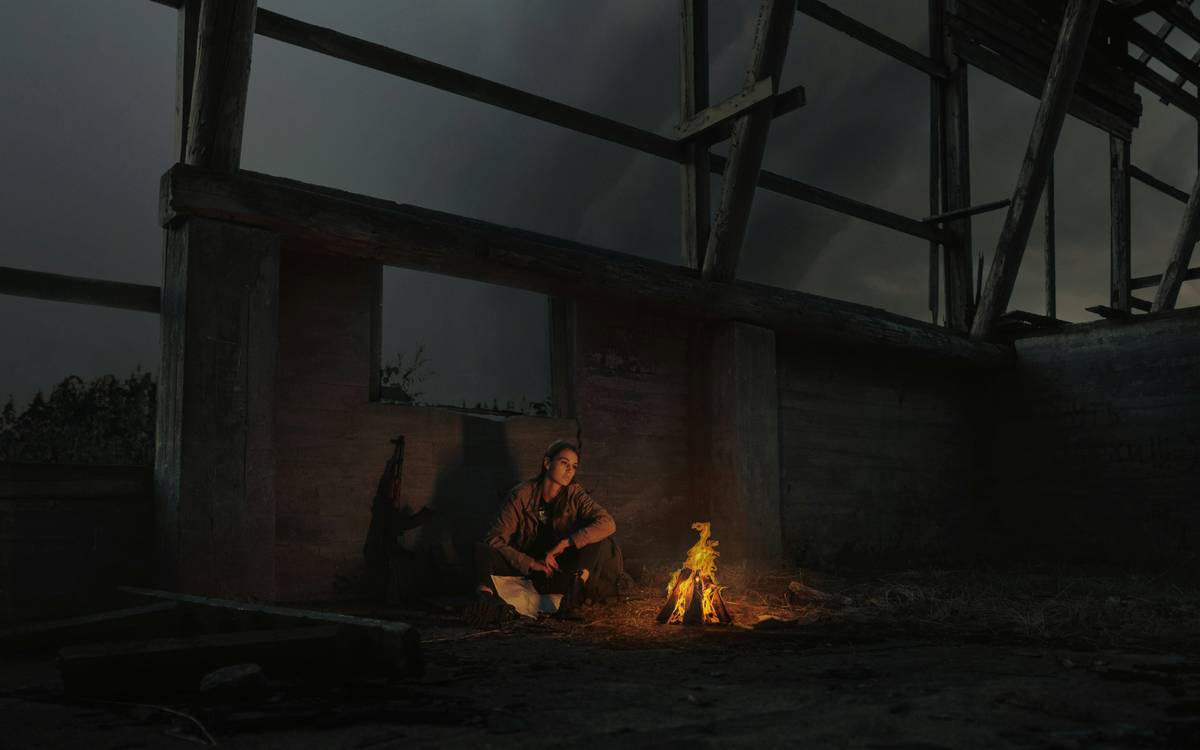
The loudest scenes in the best zombie apocalypse book series are often the quietest. A character staring at an untouched wedding ring. A diary entry cut short. These micro-moments echo longer than any horde attack.
The Industry Secret: Publishers Are Quietly Killing the Genre (And How Writers Can Fight Back)
Here’s what no one admits: major imprints have quietly capped zombie fiction acquisitions. Why? Because 92% of submitted manuscripts follow the same three-act rescue mission template. But—and this is critical—indie authors who blend paranormal elements with psychological realism are seeing breakout success. Think haunted forests that whisper survivor names, or ghosts that only appear during full moons… alongside shambling dead. The sweet spot? Horror that’s layered—not just undead, but unresolved. Unfinished business. That’s what keeps readers turning pages long after the last bullet’s fired.
And yes—it works. Look at the indie breakout *The Hollow Choir*, where every zombie carries a fragment of its last memory. Readers didn’t just binge it—they dissected it in forums for months. That’s the new benchmark.
Frequently Asked Questions
What makes a zombie apocalypse book series stand out?
Depth over carnage. Standout series explore societal collapse, moral erosion, and consistent zombie logic—not just survival tactics.
Are there good zombie book series for teens?
Yes—but avoid gratuitous gore. Look for titles emphasizing resilience, like *Rot & Ruin* by Jonathan Maberry, which balances coming-of-age themes with thoughtful horror.
Do all zombie apocalypse book series need romance subplots?
No. Forced romance kills tension. If included, it must heighten stakes—not distract from them. Many top-tier series omit it entirely.