You’ve read the same recycled zombie tropes: military bunkers, lone wolves with crossbows, and cities overrun by slow, groaning corpses. It’s exhausting. And worse—it’s boring. The real problem? Most post apocalyptic zombie books prioritize gore over psychological dread, sacrificing tension for cheap jump-scares on paper. But what if survival wasn’t just about outrunning the undead—but outthinking your own unraveling mind?
Why 90% of Post Apocalyptic Zombie Books Fail to Scare
They confuse chaos with horror. Zombies aren’t scary because they’re fast or numerous—they’re terrifying because they reflect our fear of losing control, identity, and community. Yet most authors treat them as set dressing. The result? Predictable plots where the apocalypse is a backdrop, not a character.
And the survivors? Often stoic, emotionless archetypes who reload shotguns between monologues about “what matters now.” Real trauma isn’t that clean. Real survival fractures people—sometimes before the first bite even happens.
How to Find (or Write) Truly Unsettling Post Apocalyptic Zombie Books
Forget headcounts and weapon loadouts. True dread lives in silence, scarcity, and moral corrosion. Here’s how to separate the hollow from the haunting:
Focus on Psychological Erosion Over Body Counts
The best zombie fiction weaponizes isolation. Think less “zombie horde at the gates,” more “your ally hasn’t slept in 72 hours and keeps whispering to shadows.” Fear compounds when the enemy isn’t just outside—it’s in your tent, your thoughts, your dwindling sense of self.
Prioritize Resource Scarcity That Feels Real
No magical backpacks full of ammo. No unspoiled canned peaches in every abandoned Walmart. If your characters eat, someone went hungry. If they sleep, someone stood watch—and paid the price. Scarcity breeds paranoia; paranoia breeds betrayal.
Avoid the “Chosen One” Trope Like Radiation Sickness
There’s no destiny in the apocalypse. Only luck—bad or worse. The most compelling protagonists aren’t warriors. They’re teachers, librarians, kids who used to fix bikes. Ordinary people making impossible choices with trembling hands.
| Book Trait | Surface-Level (Avoid) | Deep Horror (Seek) |
|---|---|---|
| Zombie Behavior | Mindless, shuffling hordes | Unpredictable patterns—some mimic human actions, others lie still for days |
| Survivor Dynamics | Tightly knit “family” with clear roles | Fragile alliances built on mutual suspicion and hidden agendas |
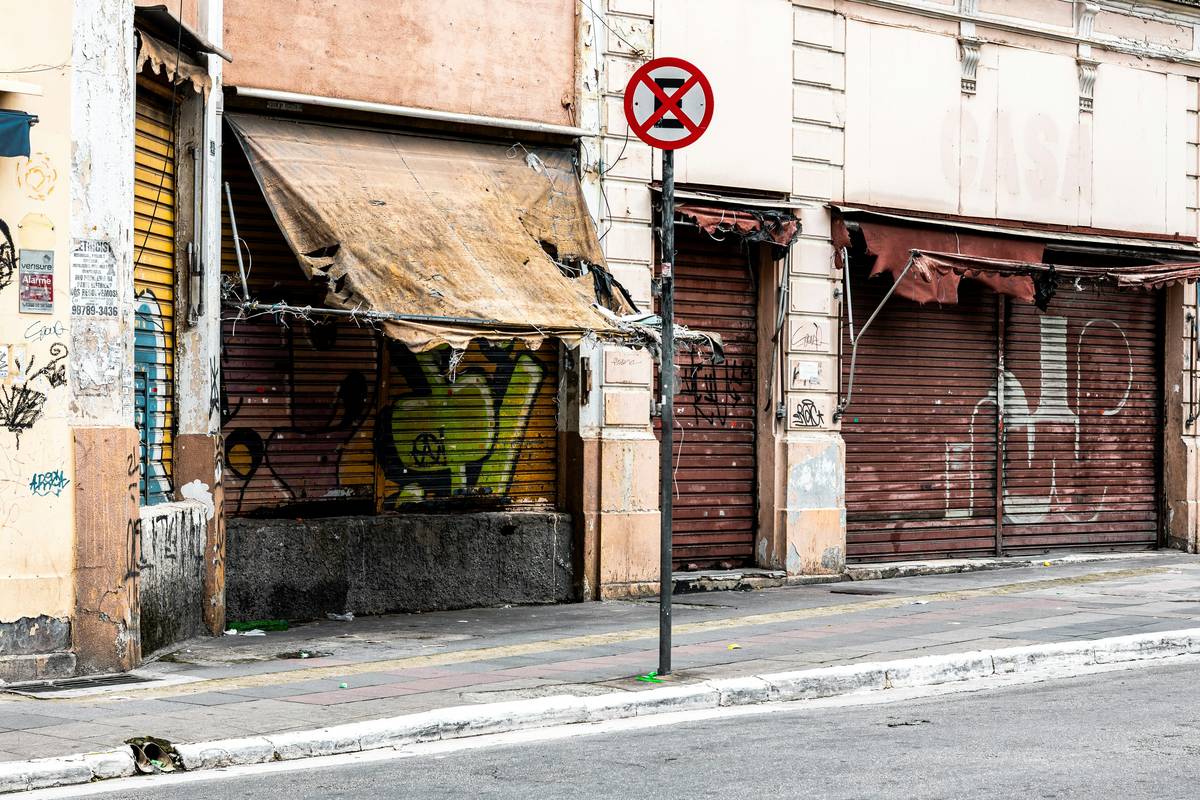
| Setting Atmosphere | Ruined cities with dramatic lighting | Suburban neighborhoods where lawns are overgrown but mailboxes still stand—eerily intact |
| Narrative Tension | “Will they escape the mall?” | “Will they admit what they did to stay alive last winter?” |
The Industry Secret: The Best Zombie Stories Aren’t About Zombies
Here’s the reality publishers won’t admit: readers don’t buy post apocalyptic zombie books for the undead. They buy them to rehearse their own resilience. The genre thrives not on infection vectors, but on ethical triage—how far would you go? What would you sacrifice?
The most successful indie titles in this micro-niche embed subtle social commentary: climate collapse disguised as viral outbreak, grief dressed as reanimation, systemic collapse mirrored in crumbling supply chains. The zombies? Just the mirror.
Think about it. Max Brooks’ World War Z works because it reads like oral history—not a monster manual. Robert Kirkman’s The Walking Dead endures because Rick’s internal collapse parallels society’s. The math is simple: if your story doesn’t haunt the reader after the last page, it’s just pulp.
Frequently Asked Questions
What makes a great post apocalyptic zombie book?
It prioritizes human fragility over zombie mechanics—using the collapse to explore guilt, loyalty, and the cost of hope.
Are there any underrated post apocalyptic zombie books?
Absolutely. Try The Girl With All the Gifts by M.R. Carey—it flips the “infected child” trope into a meditation on evolution and empathy.
Can these stories be hopeful?
Yes—but only if hope feels earned, not handed out. Small acts of kindness in a broken world cut deeper than grand rescues.